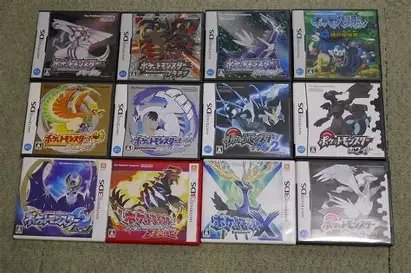
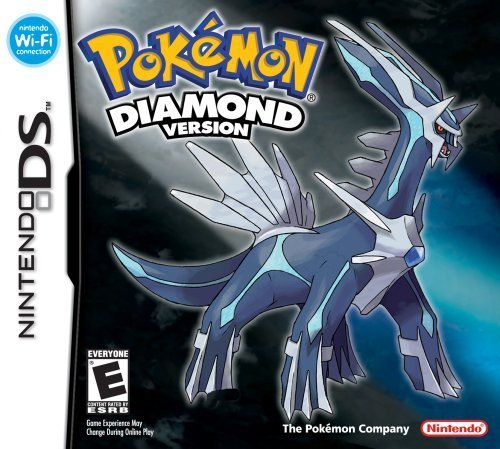
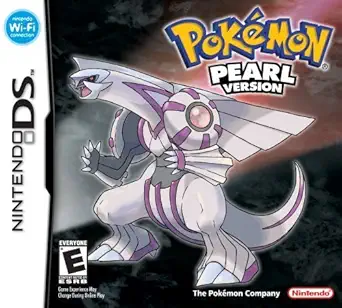
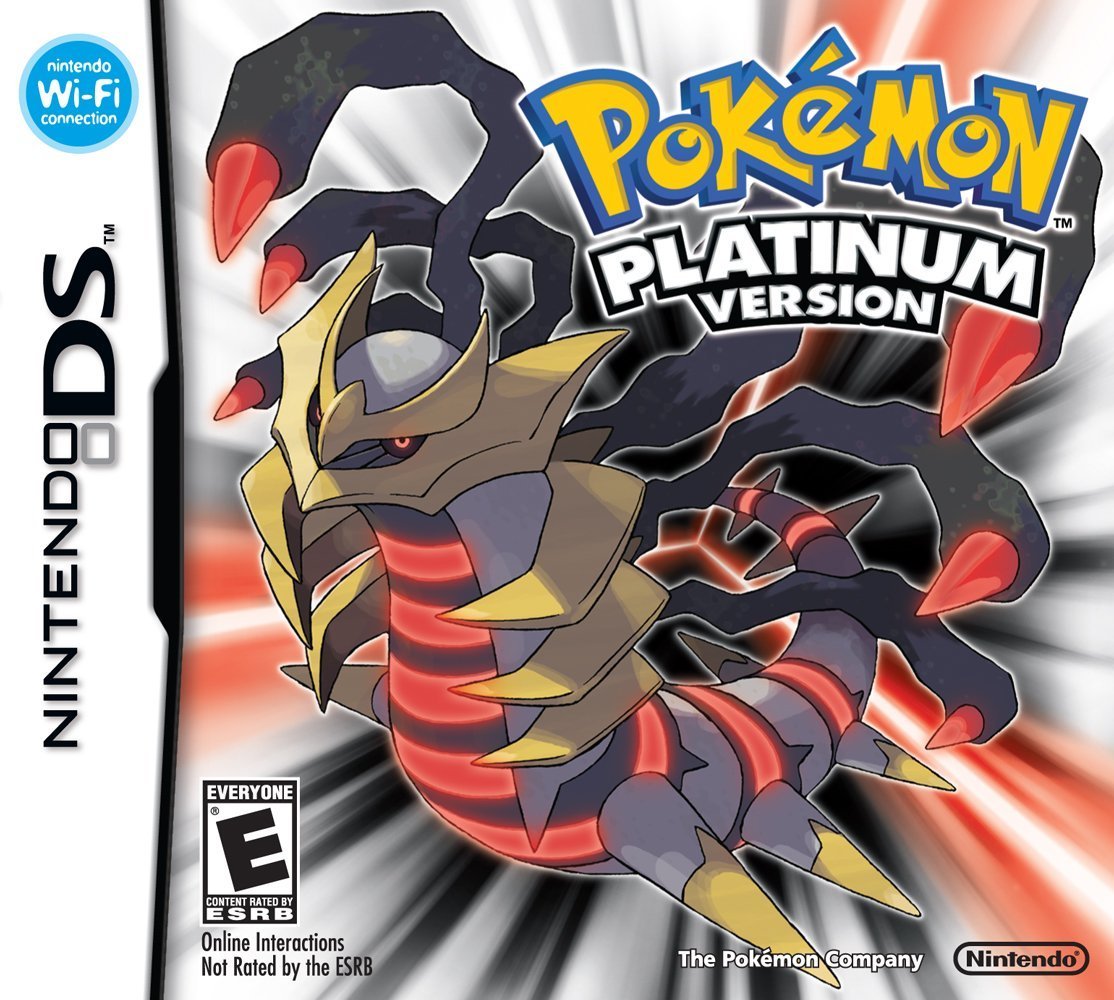
The Nintendo DS era took Pokémon fully 3D for the first time and introduced two of the most beloved regions in the franchise’s history: Sinnoh and a reimagined Johto. Across five mainline cartridges — Diamond, Pearl, Platinum, HeartGold, and SoulSilver — the DS generation captured a huge wave of players and, two decades later, has become one of the most actively collected eras of Pokémon games. If you’ve already read our companion guide to the GBA-era Pokémon games, this DS guide picks up right where that one leaves off, covering what makes each DS title different, how collector demand and pricing compare across the five games, and what to check before you buy.
▼Check current prices:▼ Pokémon Diamond (DS) | Pokémon Pearl (DS) | Pokémon Platinum (DS) | Pokémon HeartGold (DS) | Pokémon SoulSilver (DS)
- Why the DS Pokémon Era Still Matters
- Quick Comparison Table
- Pokémon Diamond & Pearl: Sinnoh’s Debut
- Pokémon Platinum: Sinnoh’s Definitive Version
- Pokémon HeartGold & SoulSilver: Johto Remastered
- Japanese vs. US Cartridges: What Collectors Should Know
- Condition Guide: What Actually Affects Price
- Which DS Pokémon Game Should You Buy?
- Where to Buy Authentic DS Pokémon Cartridges
- Frequently Asked Questions
- Final Thoughts
Why the DS Pokémon Era Still Matters
The Nintendo DS generation (2006–2010) was a turning point for the series. Diamond and Pearl introduced the Sinnoh region with fully rendered 3D battle animations for the first time, the Physical/Special split that reshaped competitive battling, and the Global Trade Station, which let players trade internationally over Wi-Fi. Platinum followed as the enhanced third version, much like Emerald had for the GBA generation. HeartGold and SoulSilver then went back and remade the Game Boy Color originals (Gold and Silver) with DS-era graphics and mechanics, giving players a modern way to revisit Johto.
Because these games span the transition from cartridge-based single-region trading to full online connectivity, they represent a genuine turning point in Pokémon history — which is part of why collector interest in complete DS-era sets has grown steadily.
Quick Comparison Table
| Game | Release Year (JP) | Release Year (US) | Region | Notable Feature |
|---|---|---|---|---|
| Pokémon Diamond | 2006 | 2007 | Sinnoh | Dialga, Physical/Special split |
| Pokémon Pearl | 2006 | 2007 | Sinnoh | Palkia, Physical/Special split |
| Pokémon Platinum | 2008 | 2009 | Sinnoh | Distortion World, Giratina |
| Pokémon HeartGold | 2009 | 2010 | Johto (remake) | Pokéwalker, Kanto post-game |
| Pokémon SoulSilver | 2009 | 2010 | Johto (remake) | Pokéwalker, Kanto post-game |
Pokémon Diamond & Pearl: Sinnoh’s Debut
Diamond and Pearl were the first Pokémon games built for the Nintendo DS, and they represented a major technical leap: fully 3D overworld and battle rendering, the introduction of the Sinnoh region and its distinctive Mt. Coronet-centered geography, and online trading and battling through the Global Trade Station and Wi-Fi Plaza.
As the first-release versions of Sinnoh, Diamond and Pearl are the most commonly found DS Pokémon cartridges today, similar to how Ruby and Sapphire function within the GBA lineup. That accessibility keeps loose-cartridge prices comparatively reasonable, though — as with the GBA generation — complete-in-box copies with manual and inserts have become steadily harder to find in strong condition.
If you’re starting a DS Pokémon collection, Diamond and Pearl are typically the most budget-friendly entry point.
Pokémon Platinum: Sinnoh’s Definitive Version
Platinum plays the same role for the DS generation that Emerald played for GBA — it’s the enhanced third version, and it’s widely regarded by both collectors and players as the best way to experience Sinnoh. Platinum added the Distortion World, expanded the story around Team Galactic and the Pokémon Giratina, improved the Battle Frontier-style post-game content, and refined the Sinnoh Pokédex and encounter rates.
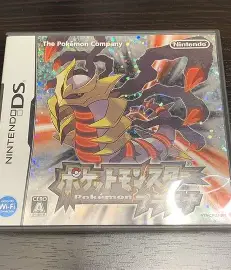
Because Platinum is generally seen as the more complete and desirable Sinnoh experience, it commands a consistent price premium over Diamond and Pearl on the secondhand market — the same dynamic collectors will recognize from Emerald’s pricing relative to Ruby and Sapphire in the GBA era.
Pokémon HeartGold & SoulSilver: Johto Remastered
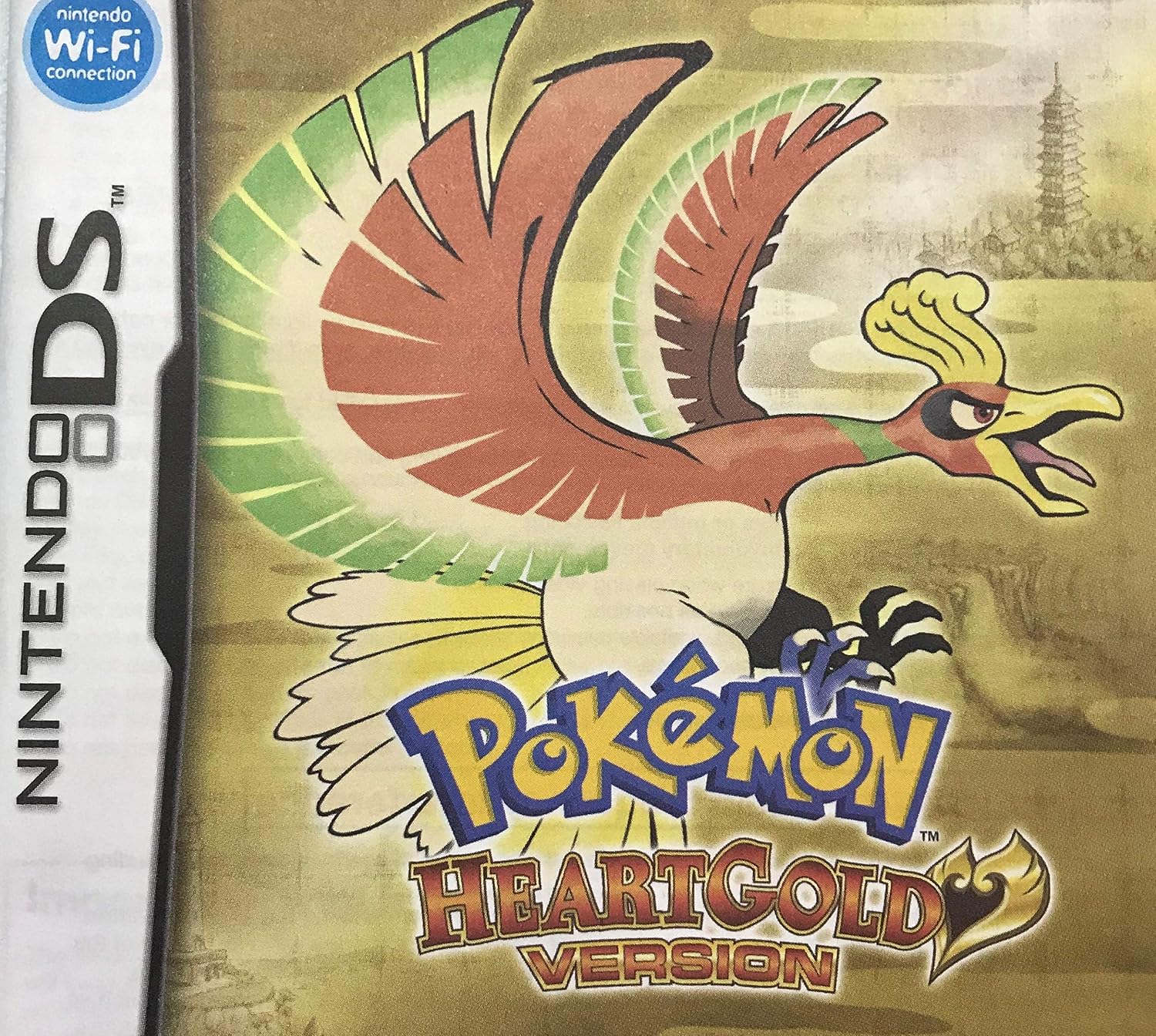
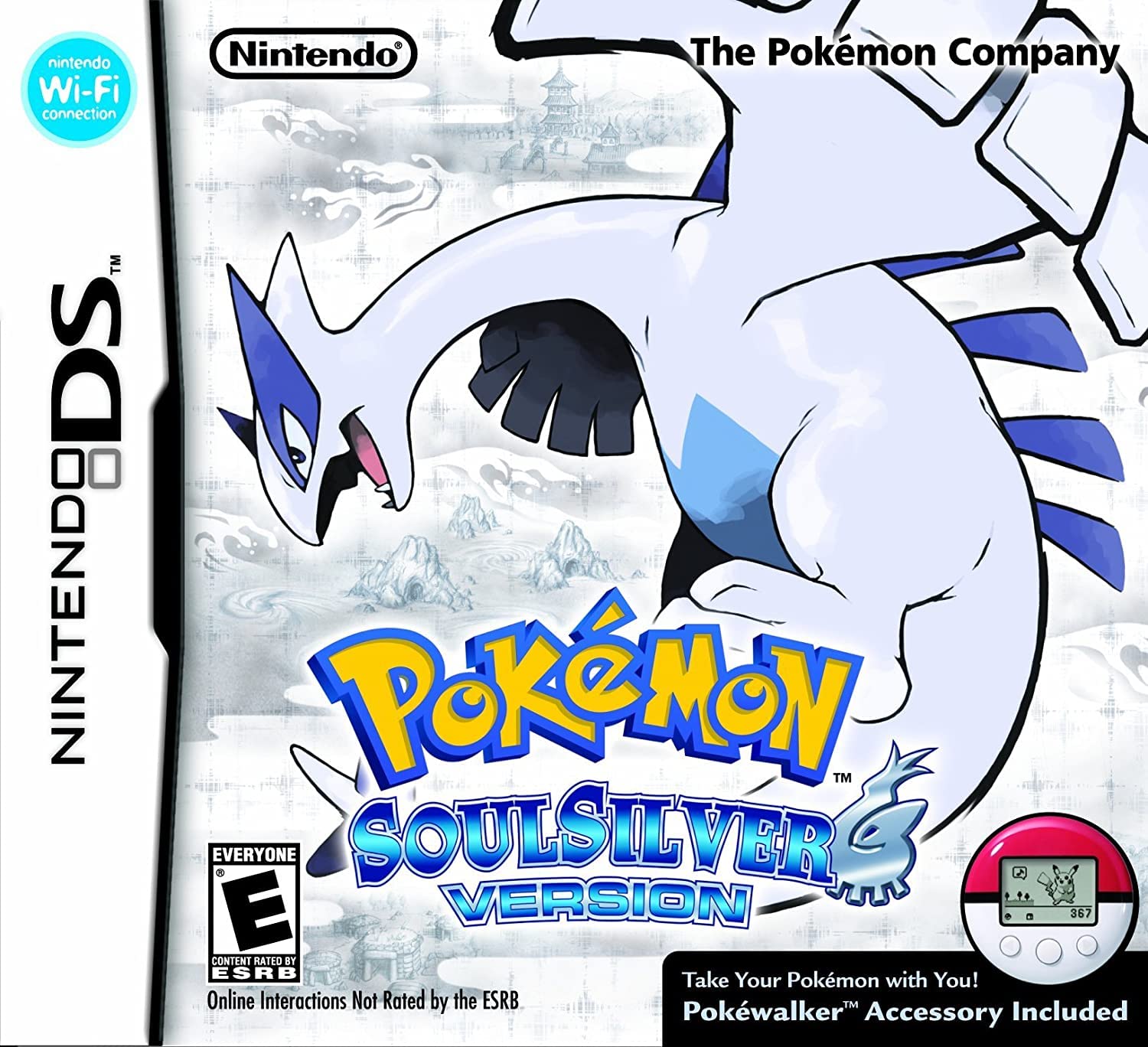
HeartGold and SoulSilver are remakes of the Game Boy Color originals, Gold and Silver, rebuilt with DS-era 3D graphics, updated Sinnoh-era mechanics, and a genuinely new feature: the Pokéwalker, a pedometer accessory that let players transfer a Pokémon to a physical device and level it up by walking. Like FireRed and LeafGreen did for the GBA generation, these two remakes combine strong nostalgia (Johto was the second-ever region) with modern quality-of-life improvements, plus the same post-game Kanto region that made the originals famous for offering two regions in one cartridge.
This combination of nostalgia, remake status, and a physical bundled accessory makes HeartGold and SoulSilver the most sought-after titles in the DS Pokémon lineup. They consistently sell for more than Diamond, Pearl, or even Platinum — and complete copies that still include a functioning, sealed, or unused Pokéwalker command a significant premium over cartridge-only listings.
Japanese vs. US Cartridges: What Collectors Should Know
The same core principles from the GBA generation carry over to DS Pokémon games, with a few DS-specific notes:
- Region compatibility: Original Nintendo DS and DS Lite consoles are not region-locked, so a Japanese DS Pokémon cartridge will run on a US or European DS or DS Lite. However, the Nintendo DSi and 3DS families introduced region locking for DS software in some cases, so it’s worth confirming compatibility with the specific console being used.
- The Pokéwalker factor: For HeartGold and SoulSilver specifically, Japanese and US Pokéwalker units are functionally similar but carry separate collector value depending on packaging language and condition — a boxed set with a working Pokéwalker is considerably more desirable than a cartridge alone.
- Authentication: As with GBA cartridges, buying from established sellers who photograph the actual item (not stock photos) and confirm save functionality is essential, especially as prices across the whole DS Pokémon lineup continue to climb.
Condition Guide: What Actually Affects Price
- Save function — DS Pokémon cartridges use flash memory rather than a battery-backed save (unlike GBA-era games), so save reliability is generally more stable, but a cartridge that fails to save or load is still a major red flag.
- Label and cartridge shell condition — fading, scratches, and sticker residue reduce value, particularly on Japanese carts.
- Box and manual completeness — cartridge-only, boxed, and complete-in-box are distinct price tiers, same as the GBA generation.
- Pokéwalker condition (HeartGold/SoulSilver only) — a working, undamaged Pokéwalker with its clip intact adds meaningful value; a missing or non-functional unit brings the set down to essentially cartridge-only pricing.
Which DS Pokémon Game Should You Buy?
- Just want to play through Sinnoh once? Diamond or Pearl — the most accessible entry point.
- Want the fullest Sinnoh experience? Platinum — worth the premium for the Distortion World and refined post-game.
- Prioritizing nostalgia and long-term collector value? HeartGold or SoulSilver — especially with a working Pokéwalker included.
- Building a complete DS Pokémon set? All five matter, but budget more for HeartGold/SoulSilver and Platinum than for Diamond/Pearl.
If you’re building out a broader retro Pokémon collection, it’s worth pairing this DS set with the GBA-era games covered in our other guide — together they cover the full handheld Pokémon lineage from Hoenn through Sinnoh and the Johto remakes.
Where to Buy Authentic DS Pokémon Cartridges
Sourcing directly from Japan continues to be one of the most reliable ways to reduce the risk of counterfeit or non-functional cartridges, especially for HeartGold and SoulSilver sets where the bundled Pokéwalker adds another component that can be swapped or missing in less carefully described listings.
- Pokémon Diamond (DS)
- Pokémon Pearl (DS)
- Pokémon Platinum (DS)
- Pokémon HeartGold (DS)
- Pokémon SoulSilver (DS)
Frequently Asked Questions
Are DS Pokémon games going up in value? Yes — like the GBA generation before it, DS-era Pokémon titles have seen steady price growth as supply shrinks and demand from collectors who grew up with these games continues to rise.
Can I play Japanese DS Pokémon cartridges on a US console? Original DS and DS Lite consoles are not region-locked, so a Japanese cartridge will run fine. DSi and 3DS consoles can have additional restrictions, so it’s worth checking compatibility with your specific hardware.
Which DS Pokémon game is the rarest? HeartGold and SoulSilver, particularly complete sets with a working Pokéwalker, are generally considered the most sought-after of the five DS titles.
Does the Pokéwalker need to work for the set to have value? Not necessarily — a cartridge-only HeartGold or SoulSilver still has solid collector value. But a complete set with a functioning Pokéwalker commands a clear premium over cartridge-only listings.
Final Thoughts
The DS Pokémon lineup — Diamond, Pearl, Platinum, HeartGold, and SoulSilver — captures a pivotal moment in the franchise’s history, from Sinnoh’s 3D debut to Johto’s nostalgic, accessory-enhanced remake. Each title carries its own collector demand curve, much like the GBA generation before it, and understanding those differences will help you buy with confidence whether you’re chasing nostalgia, building a complete set, or looking for pieces likely to keep appreciating in value.
Affiliate Disclosure: This post contains affiliate links. As an Amazon Associate, we earn from qualifying purchases at no additional cost to you.
コメント