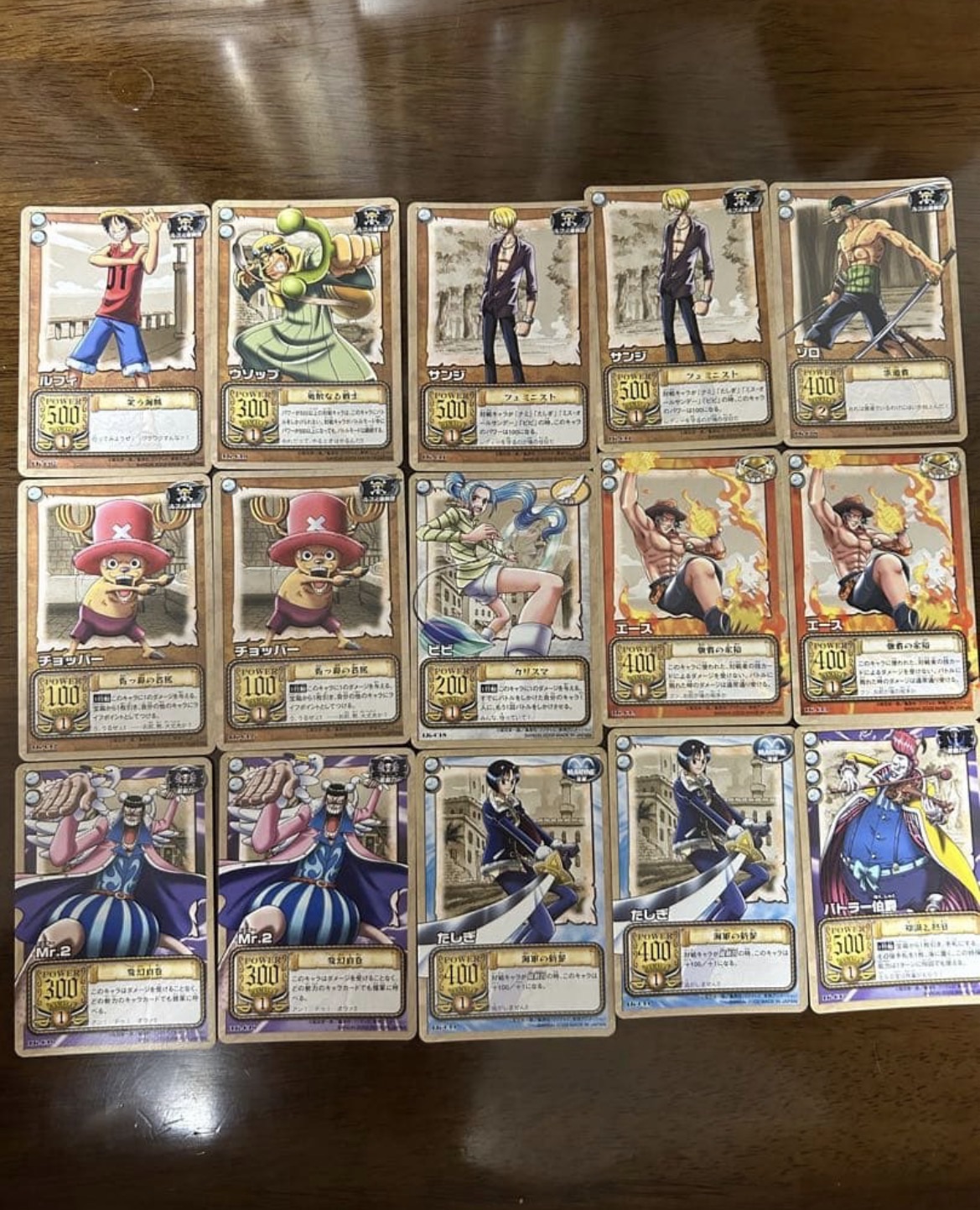
Dragon Ball has one of the longest and richest trading card histories of any anime or manga franchise — stretching back nearly four decades to the original Carddass cards of the 1980s and continuing today with the actively-played Dragon Ball Super Card Game. For new collectors, that history can feel overwhelming: there are prism cards, holo cards, promo cards, multiple eras of Carddass, and an entirely separate modern TCG with its own rarity system. This guide breaks down where Dragon Ball card collecting actually started, what the major eras and card types are, and how to start building a collection without overspending or getting confused by conflicting information online.
A Quick History of Dragon Ball Cards
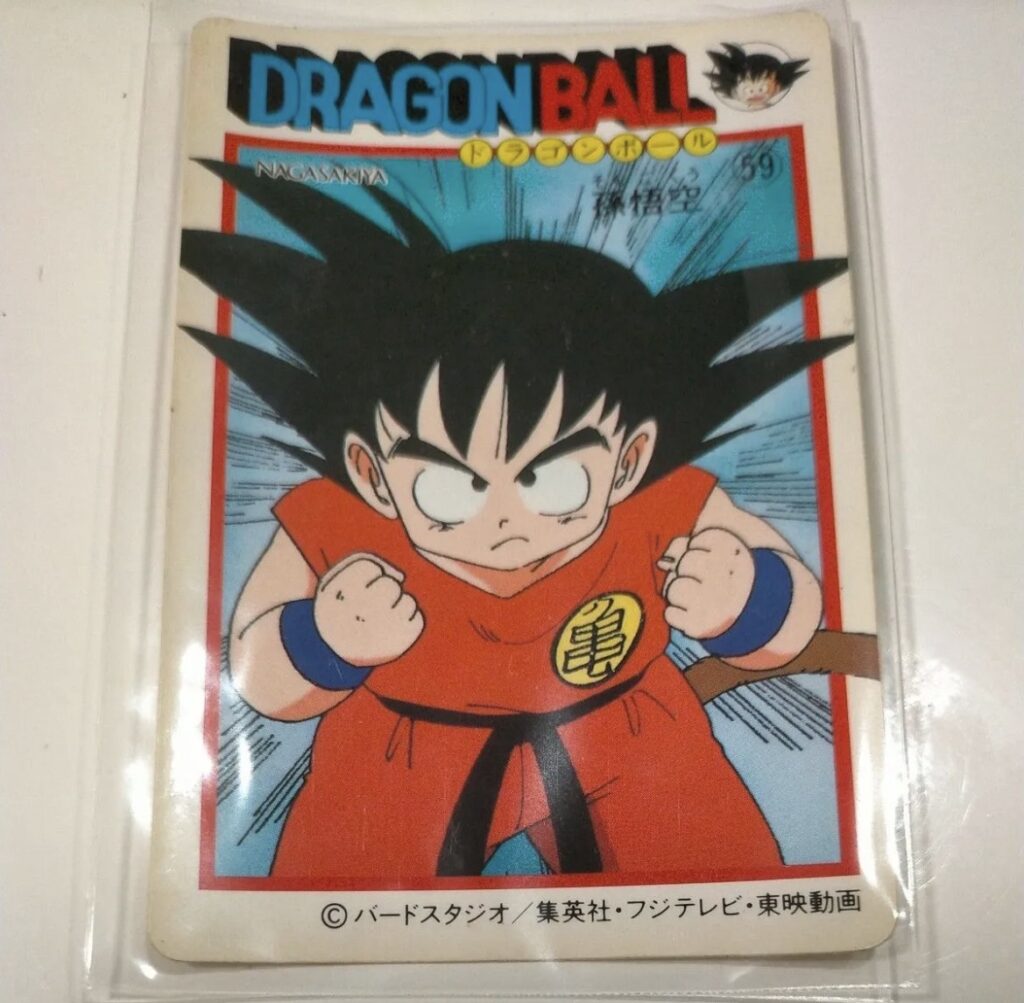
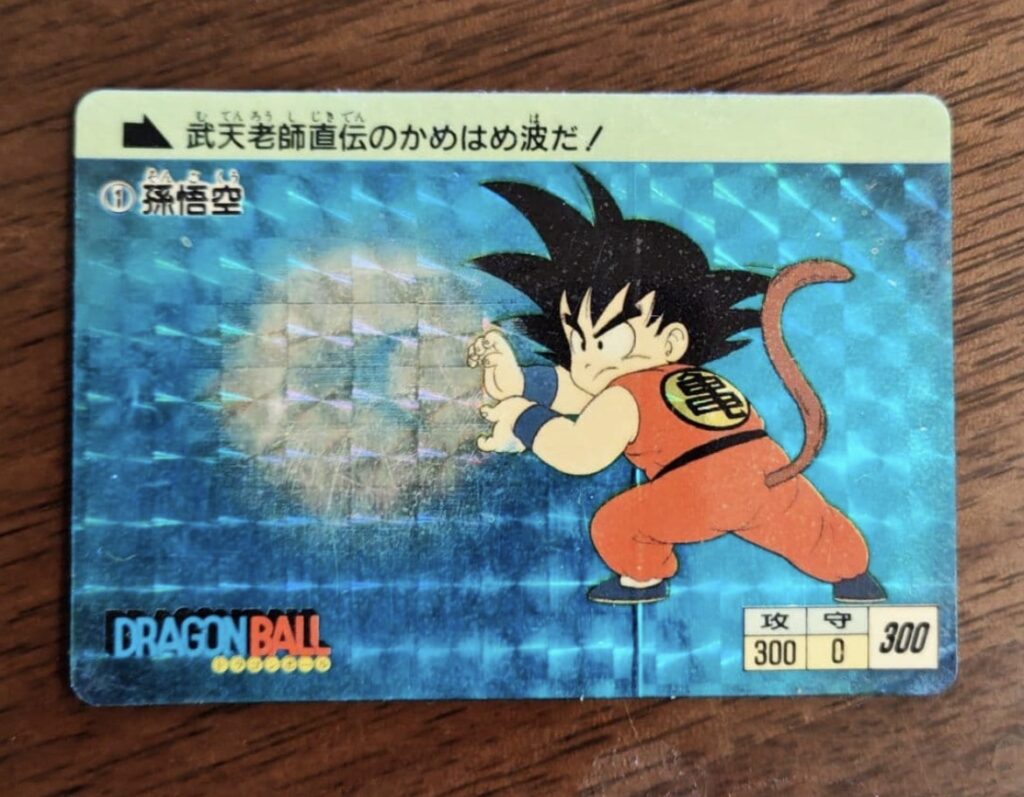
Dragon Ball trading cards began in Japan in 1986 with Carddass, Bandai’s vending-machine card format that predates the modern trading card game concept entirely. These original Carddass cards were simple, illustrated character and scene cards sold in small packs from dedicated vending machines in Japan — not the “build a deck and battle” format most collectors think of today. (Want the full story? Check out Part 1 of our Dragon Ball Card History series for a deep dive into the Carddass origins.)
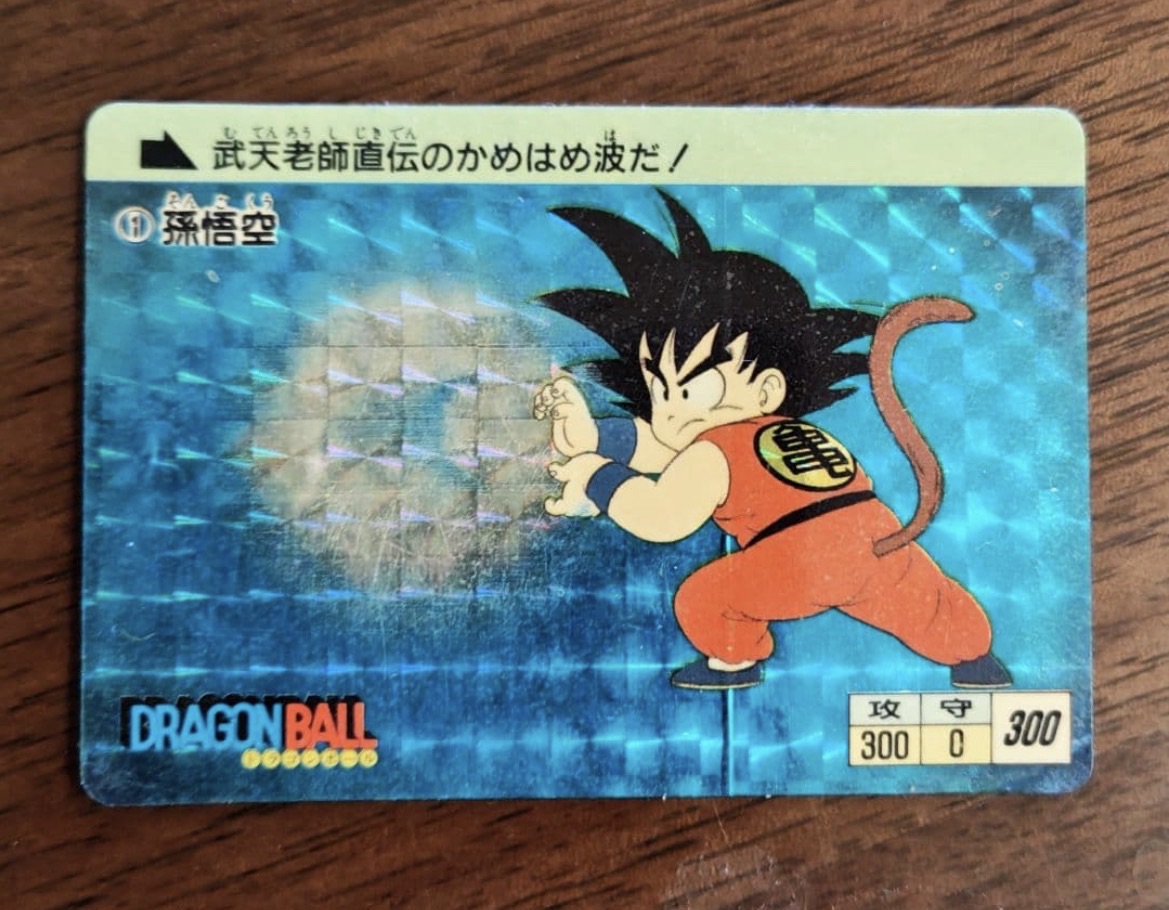
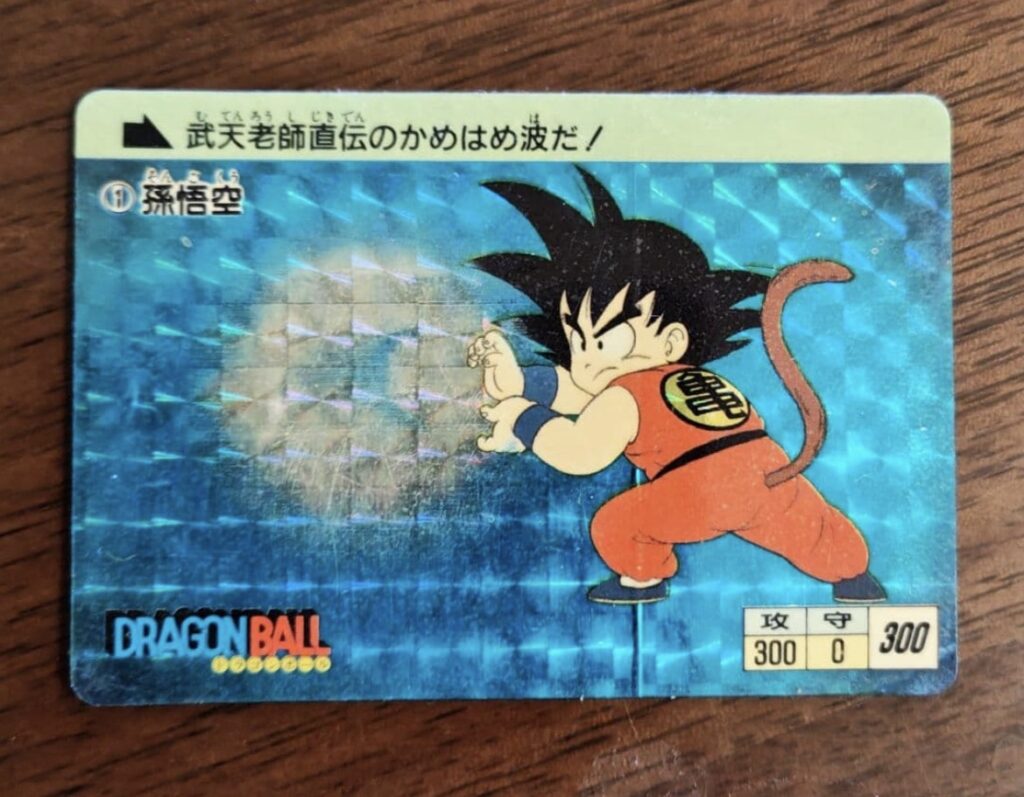
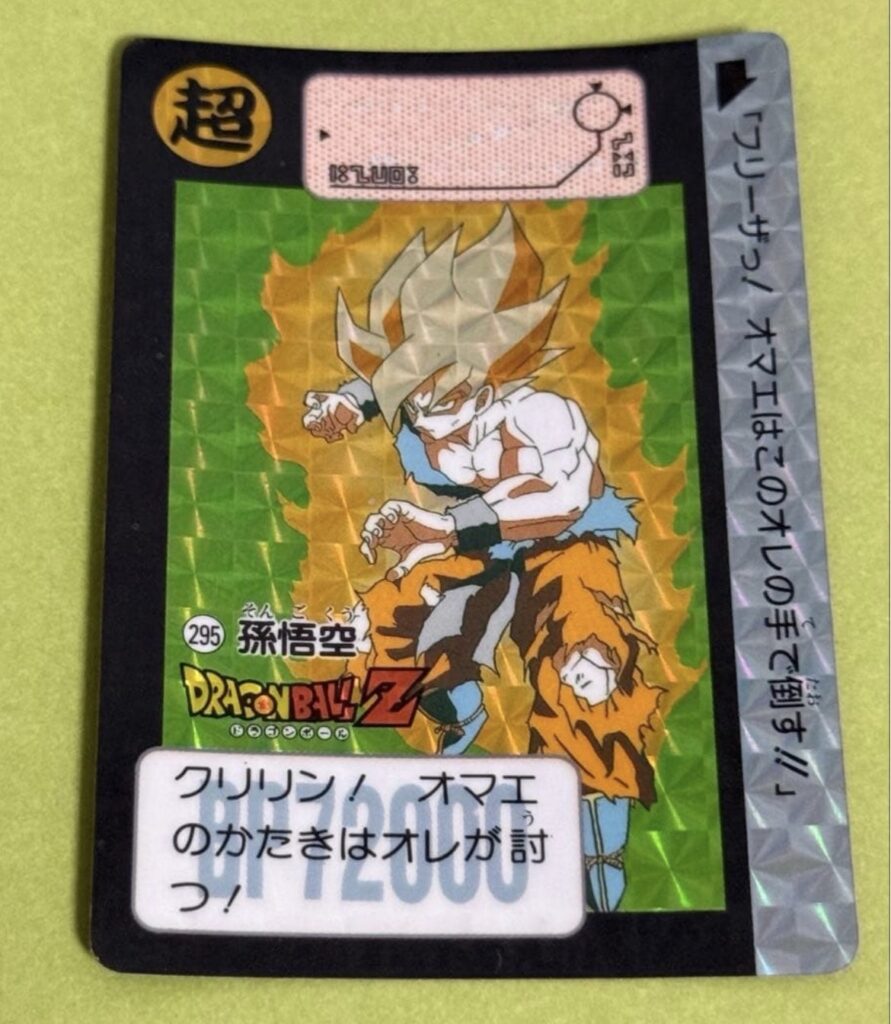
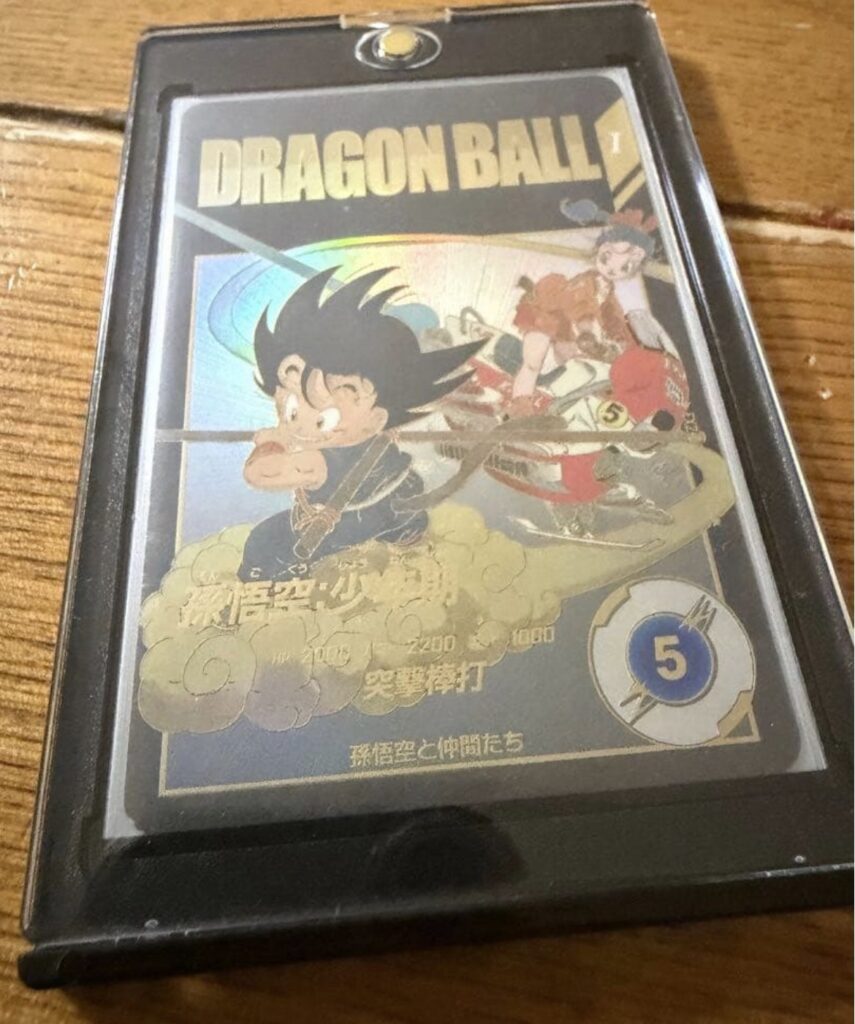
Through the late 1980s and into the Dragon Ball Z era of the 1990s, Bandai continued producing Carddass sets, eventually introducing Prism Carddass — cards with a shimmering holographic foil background that remain some of the most recognizable and desirable vintage Dragon Ball cards today. These prism cards, especially ones featuring iconic scenes or character art from the Cell and Buu sagas, are a major entry point for collectors focused on nostalgia and vintage value rather than gameplay.
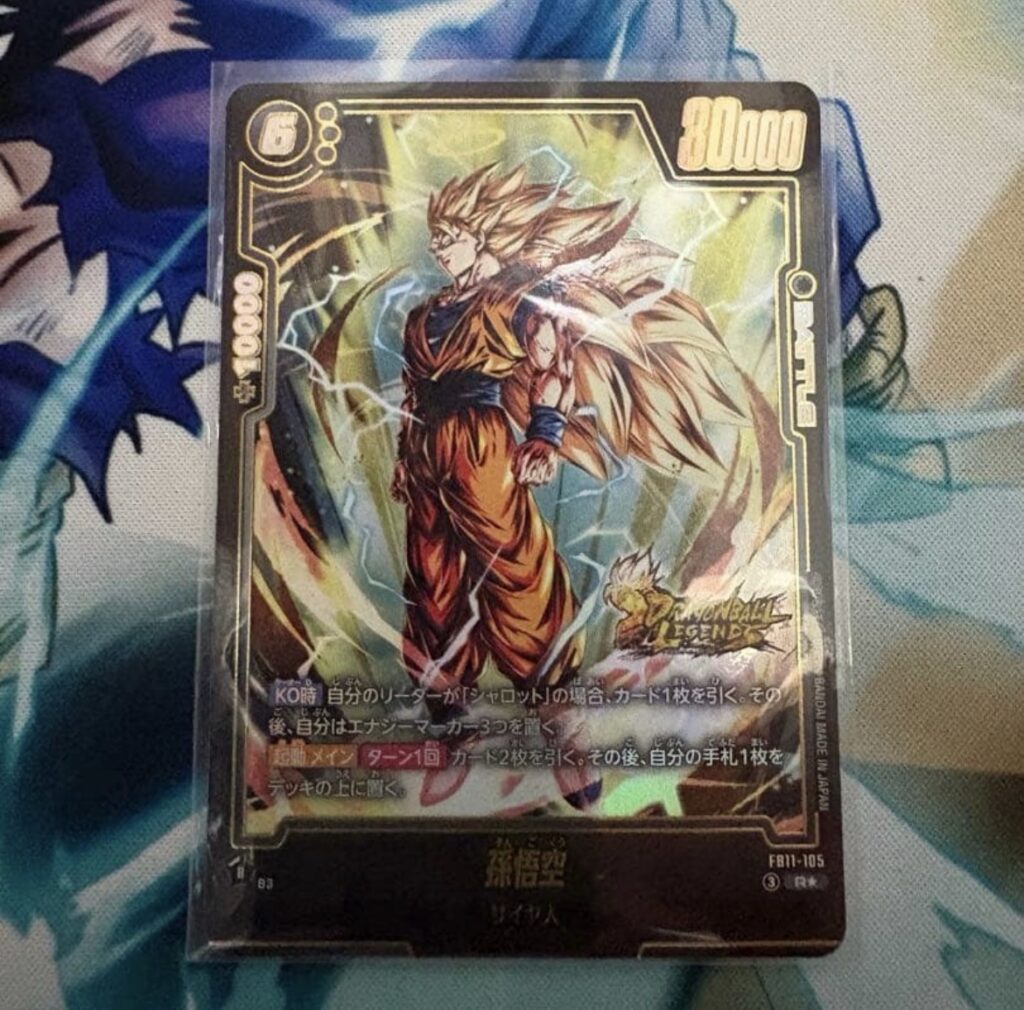
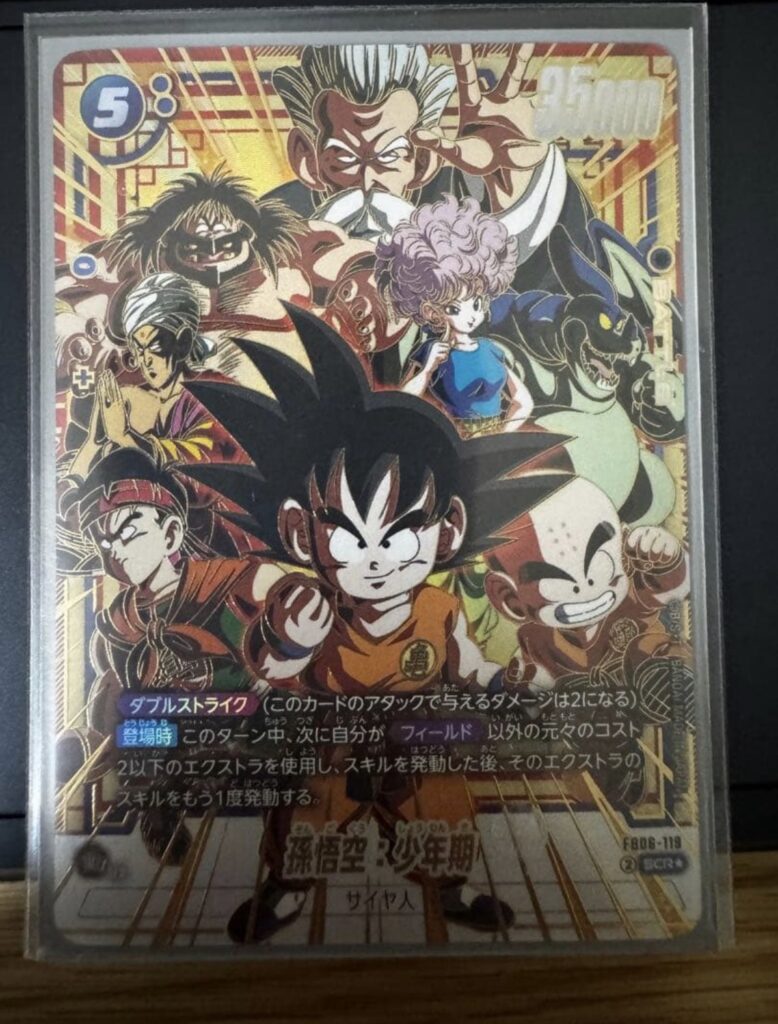
In the 2010s and beyond, Bandai launched the Dragon Ball Super Card Game (DBS-CG), a genuine trading card game with constructed decks, rarities, and competitive play — closer in structure to something like the Pokémon TCG. More recently, this evolved into Dragon Ball Super Card Game: Fusion World, the current actively-supported TCG as of this writing, alongside licensed products from Panini in some regions.
The Major Card Types, Explained
For a beginner, it helps to think of Dragon Ball cards in three broad buckets:
- Vintage Carddass (1986–1990s) — Non-playable collector cards, illustration-focused, including the famous Prism Carddass subset. Value here is driven almost entirely by nostalgia, condition, and specific artwork/scene rarity rather than competitive playability.
- Dragon Ball Super Card Game (2017–2023) — The original modern TCG era, with constructed 50-card decks, Leader cards, and a full rarity ladder (Common through Secret Rare). Still actively collected even though it’s been succeeded by Fusion World.
- Fusion World (2023–present) — The current TCG, redesigned rules and card frame, and the format new competitive players and active collectors are focused on today.
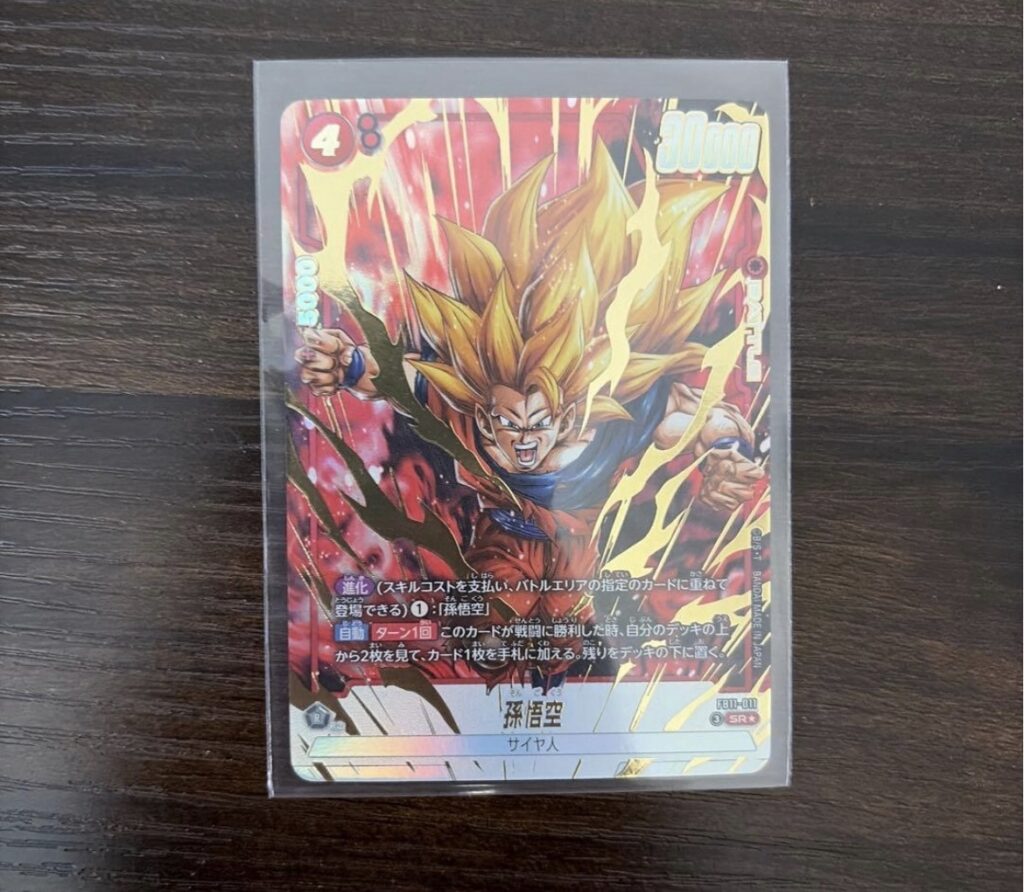
Knowing which bucket a card belongs to matters enormously for pricing — a “rare” vintage Carddass card and a “rare” Fusion World card are valued through completely different lenses (nostalgia/scarcity vs. competitive/print-run scarcity).
Understanding Rarity: What to Look For
Rarity markings differ by era, but a few things are consistent across most Dragon Ball card products:
- Foil and holo treatments generally indicate higher rarity, but foil alone doesn’t guarantee high value — character popularity and specific artwork matter just as much.
- Parallel/alternate art versions of the same card (a “Special Rare” or “Secret Rare” version of a common character) often carry significant premiums over the base version in modern TCG sets.
- Vintage Prism Carddass condition is judged heavily on the prism surface itself — scratches, dulling, or peeling on the holographic layer dramatically reduce value, more so than typical wear on a paper card.
How to Start a Collection Without Overspending
The most common mistake new collectors make is trying to chase high-value chase cards immediately. A more sustainable approach:
- Pick a lane first. Decide whether you’re drawn to vintage Carddass nostalgia, active TCG collecting/playing, or a specific character/saga (Saiyan Saga, Cell Saga, Buu Saga are especially popular collecting themes). Trying to cover everything at once is the fastest way to burn out a budget.
- Buy sealed product for the modern TCG if you want the “opening packs” experience, but understand that booster box value is a gamble — most new collectors are better served buying specific singles they actually want.
- For vintage cards, prioritize condition over hitting every character. A well-preserved Prism Carddass card from a popular scene will hold and grow in value far better than a large pile of lower-condition commons.
- Learn to spot reprints and unofficial cards. Because vintage Carddass has been reproduced unofficially over the years, buying from sellers who can show clear, direct photos (not stock images) of the actual card is important, especially for anything marketed as an original 1980s/90s print.
Storage and Condition Care
Trading card value is inseparable from condition, and this is especially true for older Dragon Ball cards:
- Use penny sleeves plus a rigid top-loader for any card you consider a keeper, even inexpensive ones — the habit matters more than the individual card’s current value.
- Keep prism/holo cards out of direct sunlight and humidity; the foil layer on vintage Carddass is more sensitive to environmental damage than standard cardstock.
- For higher-value vintage or modern chase cards, professional grading (PSA, BGS, or CGC) can meaningfully increase resale value and provides third-party authentication — something worth considering once you’re collecting cards in the $50+ range.
Buying Safely, Especially From Japan
Because a large share of both vintage Carddass and current Fusion World product originates in Japan, sourcing directly from Japan-based sellers is one of the most reliable ways to get authentic cards at fair prices — Japanese secondhand card shops and collector networks often have access to vintage cards that simply don’t surface as often in Western markets.
When buying online, a few practical habits go a long way:
- Favor sellers who photograph the actual card front and back, not a stock image or scan.
- Ask about grading/condition terminology if a listing uses Japanese grading shorthand (like “美品” for near-mint) you’re not familiar with.
- Be cautious of vintage Prism Carddass listings priced dramatically below typical market range — this is one of the more commonly reproduced vintage categories.
For collectors looking to source Dragon Ball cards and other Japanese trading cards directly, our Taka Nihon Shop eBay store specializes in authentic Japanese trading cards, sourced directly from Japan.
Frequently Asked Questions
Do I need to know Japanese to collect Dragon Ball cards?
No — card names and characters are usually recognizable from artwork alone, and most collectors learn the small set of recurring rarity/condition terms over time.
Are vintage Carddass cards worth more than modern TCG cards?
It depends entirely on the specific card. Popular vintage Prism Carddass in strong condition can command strong prices due to scarcity and nostalgia, while modern Fusion World chase cards are driven more by current competitive relevance and print run size. Neither category is universally “worth more.”
Is grading worth it for Dragon Ball cards?
For anything you consider a meaningful investment (roughly $50 and up), grading is generally worth considering — it protects the card physically and adds buyer confidence, which typically supports a better resale price.
What’s the best way for a beginner to start?
Pick one focus — a saga, a character, or a specific era like vintage Prism Carddass — rather than trying to collect everything at once. It keeps the budget manageable and makes the collection feel cohesive.
Final Thoughts
Dragon Ball’s trading card history is unusually deep for an anime franchise, spanning nearly 40 years from vending-machine Carddass to today’s competitively-played Fusion World TCG. For a new collector, the key isn’t trying to master every era at once — it’s picking a focus, learning to judge condition and authenticity in that specific category, and building from there.
Looking to source authentic Japanese Dragon Ball cards or explore other Japanese trading card categories? Visit Taka Nihon Shop on eBay.