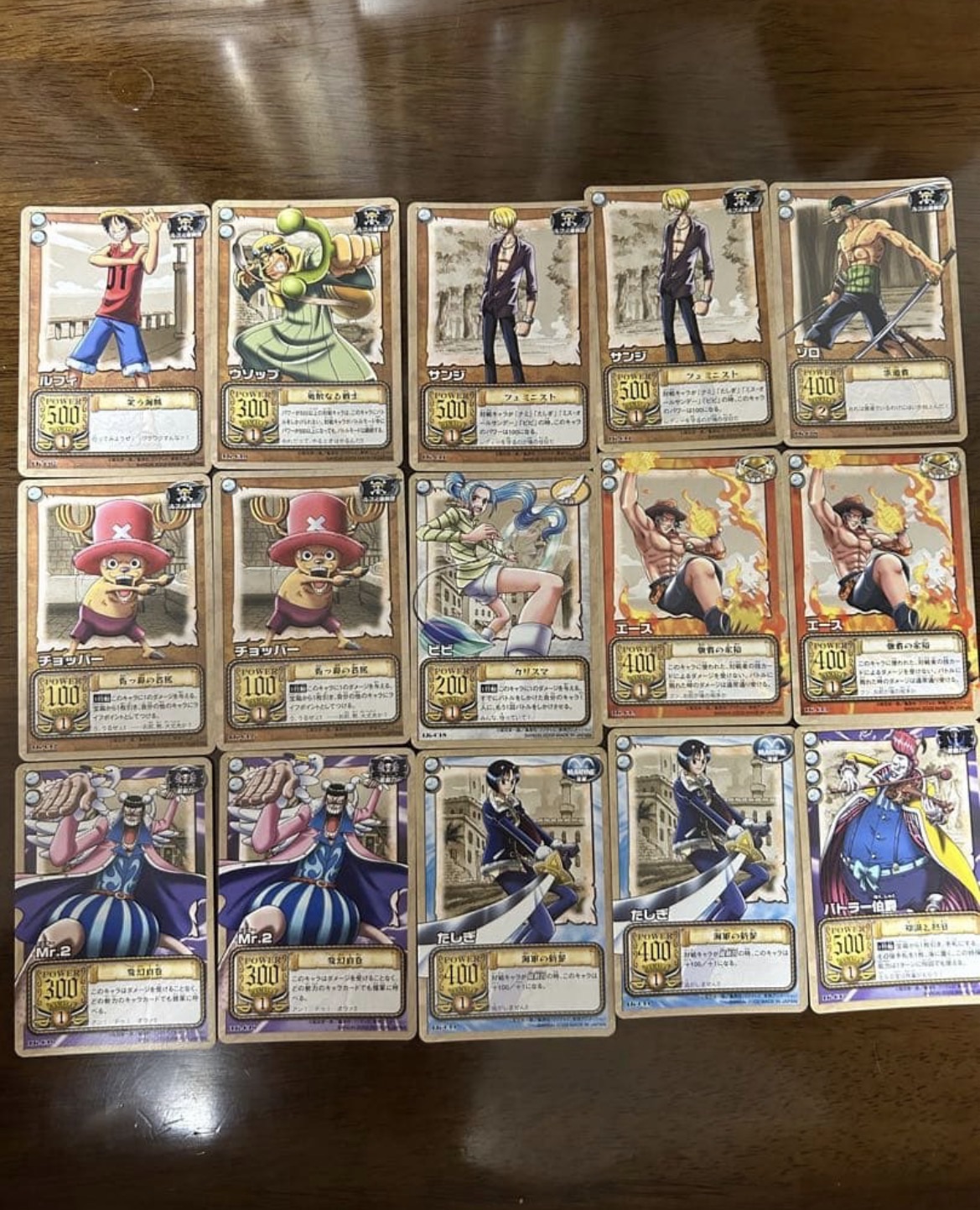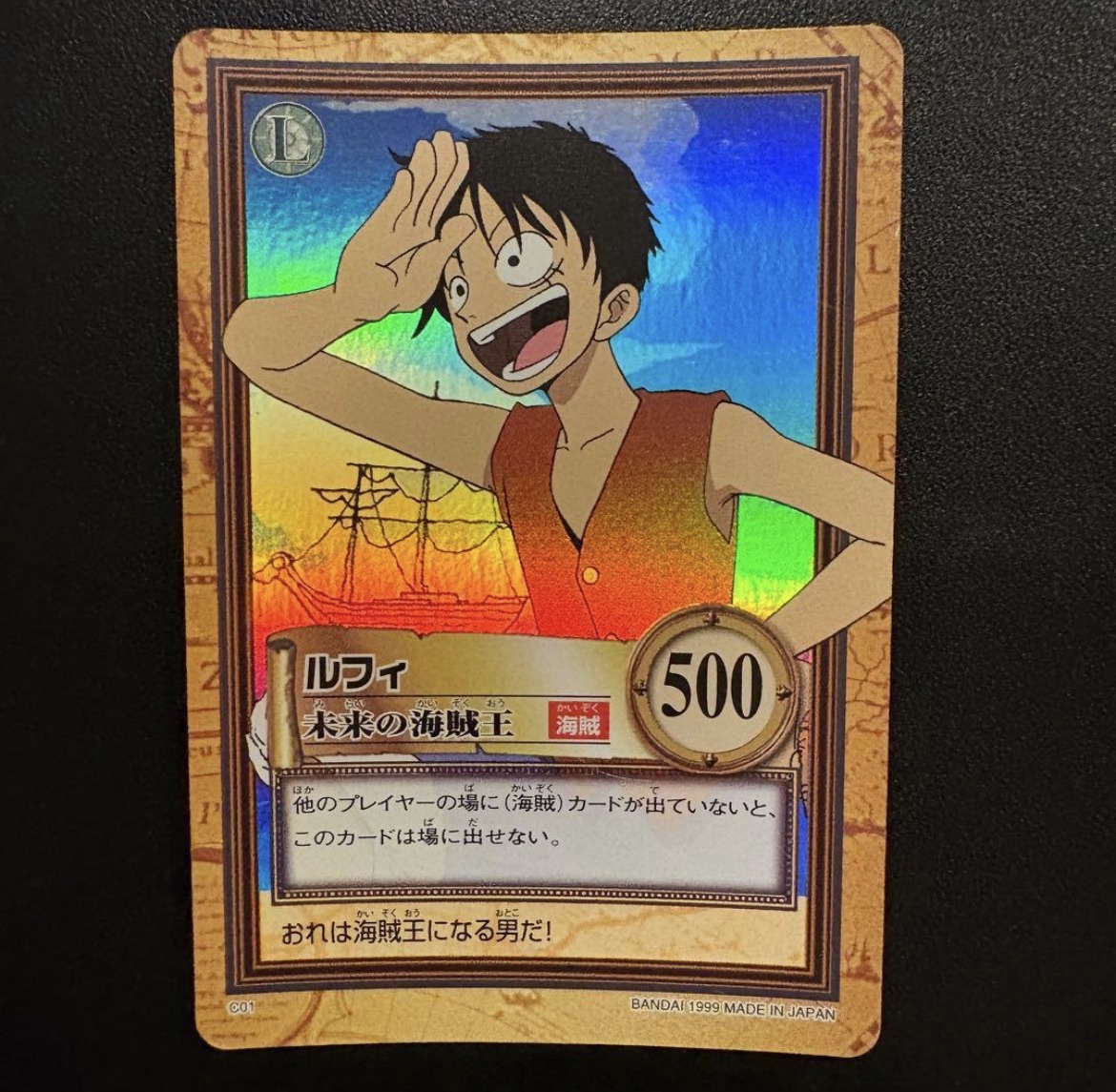
If you’ve spent any time searching for vintage One Piece cards, you’ve probably run into the name Hyper Battle — often listed alongside “From TV Animation,” “Carddass,” or just “old One Piece cards.” These aren’t a knockoff or a random side series. Hyper Battle cards are the original One Piece trading cards, released years before the One Piece Card Game most collectors know today. Here’s what they actually are, why collectors are chasing them, and what to look for if you’re buying.
What Is Carddass Hyper Battle?
Carddass Hyper Battle was a trading card line published by Bandai from 1999 to 2002. Bandai used the Hyper Battle name across several different Weekly Shonen Jump properties at the time (including Hoshin Engi and Hunter x Hunter), but the One Piece version quickly became the most popular of the bunch.
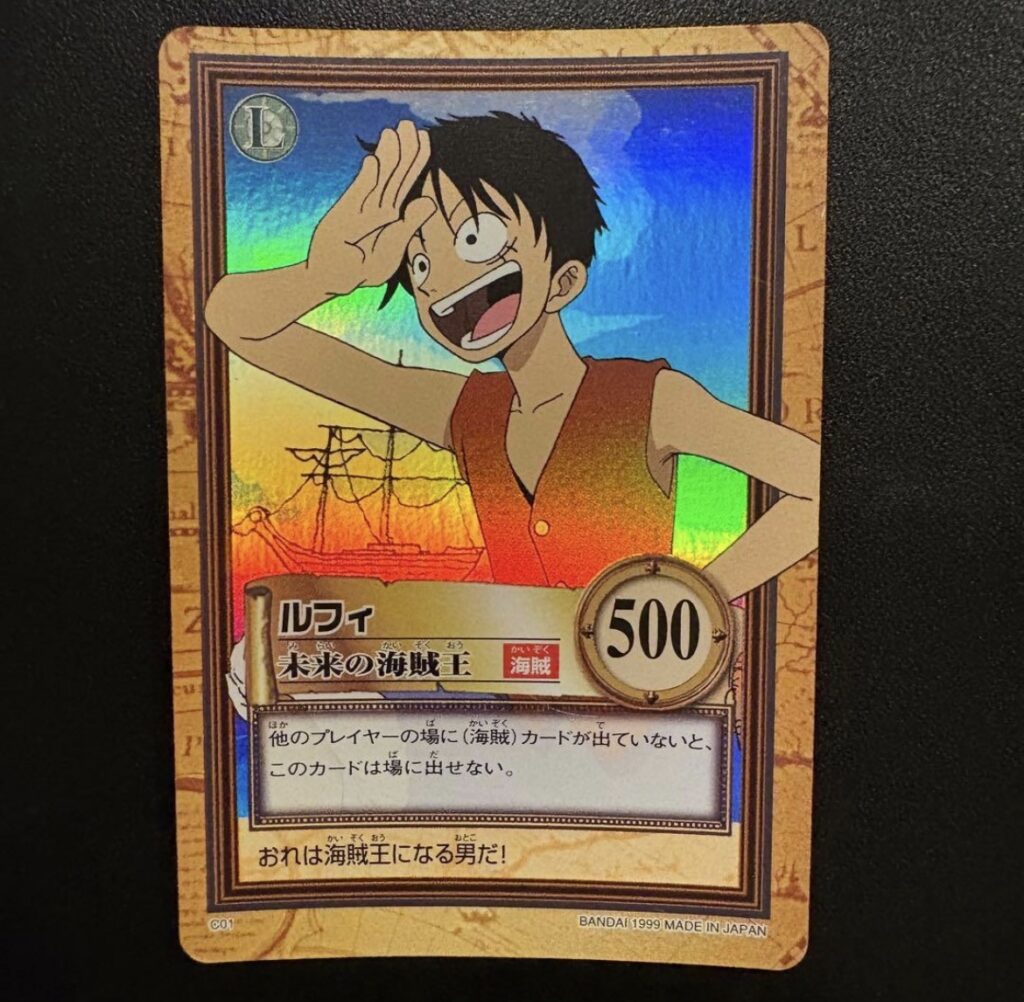
The One Piece cards launched in November 1999, just a few months after the Toei anime premiered — making them the very first One Piece trading cards ever produced. As the anime grew into a phenomenon, the One Piece line became Bandai’s main focus within the Hyper Battle series, eventually adapting story arcs all the way up through the early Arabasta arc (including the Rogue Town/Buggy arc period) before the series was discontinued in 2002 in favor of a more complex One Piece Card Game.
How the Cards Were Sold
Hyper Battle cards were distributed two main ways:
- Carddass vending machines — coin-operated machines found in arcades, toy shops, and convenience stores across Japan, dispensing randomized packs of cards for about 100 yen per pull
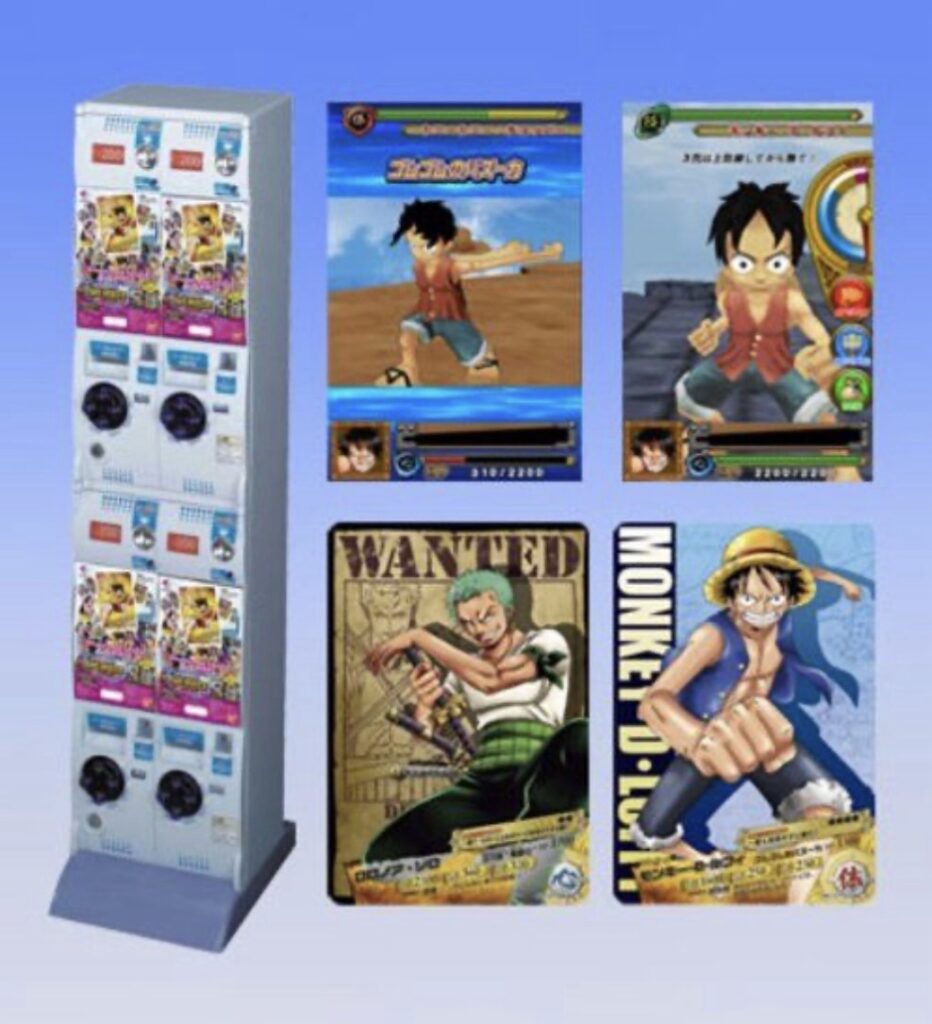
- Boxed retail sets — dedicated starter and booster boxes sold through hobby shops, usually tied to a specific anime arc or “stage”
This dual distribution is part of why the series is confusing to collectors today — the vending machine cards ran through roughly 10 numbered “stages” covering the East Blue arc (7 stages) and the early Grand Line arc (3 stages), while separately-branded boxed sets (like the “5th Stage” from August 2000 covering the Buggy/Rogue Town storyline, or the later “6th Stage” set) were sold alongside them. If you see a card listed as “5th Stage” or “6th Stage,” it’s referring to one of these boxed releases rather than the vending machine numbering.
Hyper Battle vs. Other Vintage One Piece Card Lines
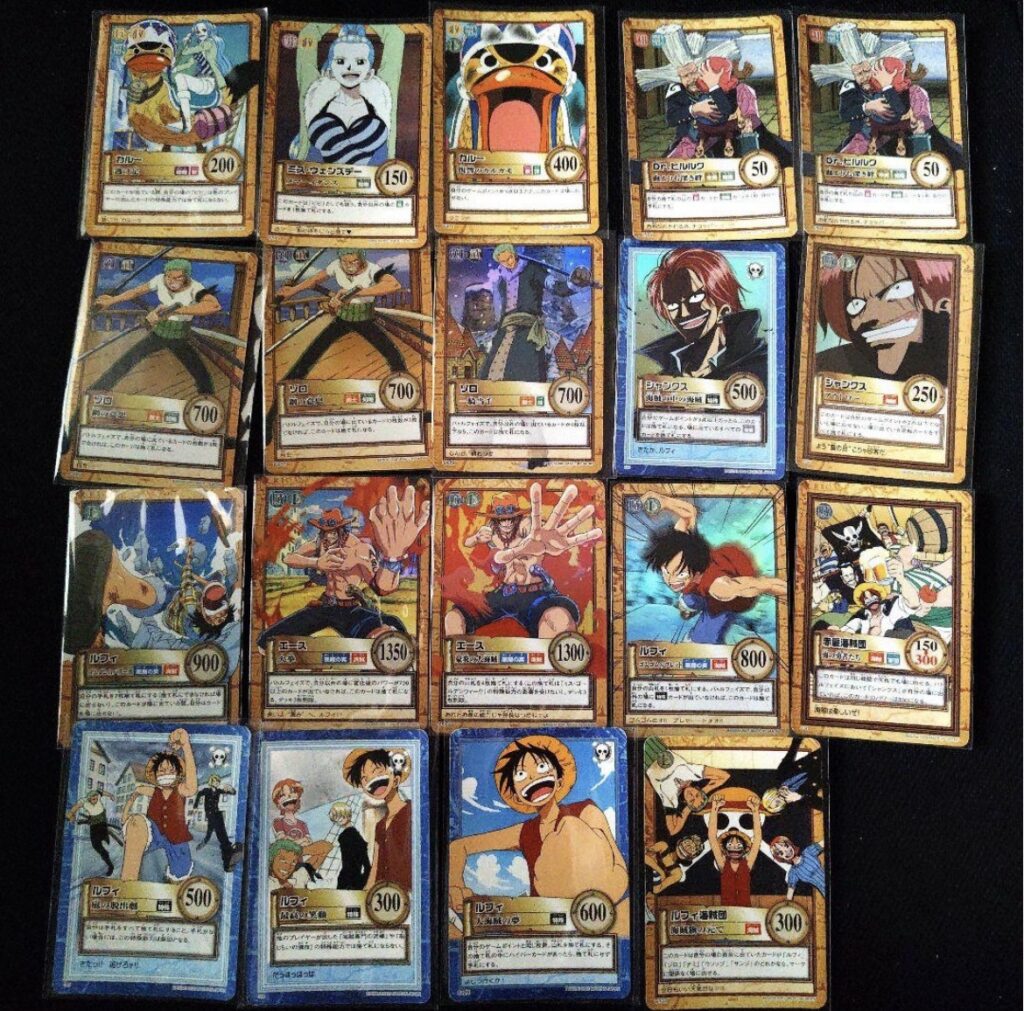
This is where a lot of buyers get confused, so it’s worth clearing up. Around the same time Hyper Battle was running, Bandai released a few other One Piece card products that are easy to mix up:
- Visual Adventure — launched in 2000, these cards were based entirely on manga cover art rather than anime footage, aiming to compile Eiichiro Oda’s cover-page side stories. The line ended in 2001 without finishing the full collection.
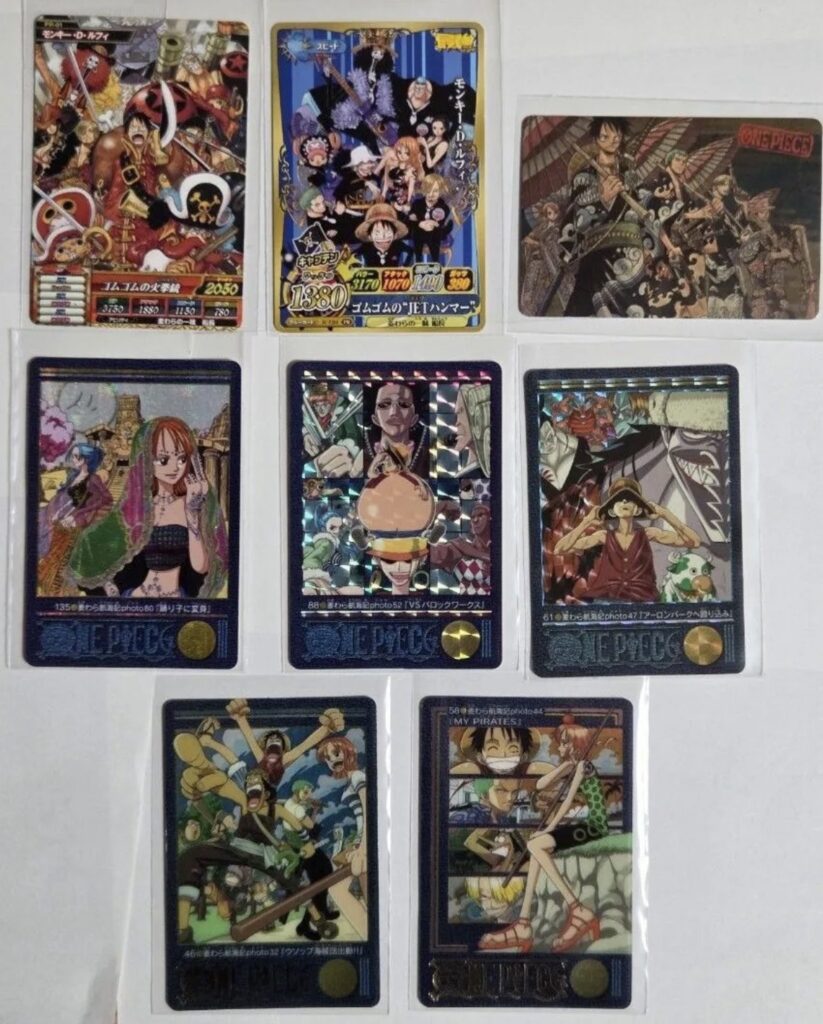
- Carddass Masters — released between 2000 and 2001, these used anime screenshots and concept art like Hyper Battle, but had no game mechanics at all. Instead, they were built around a collecting gimmick: laying nine cards in a 3×3 grid to reveal a “treasure map” image.
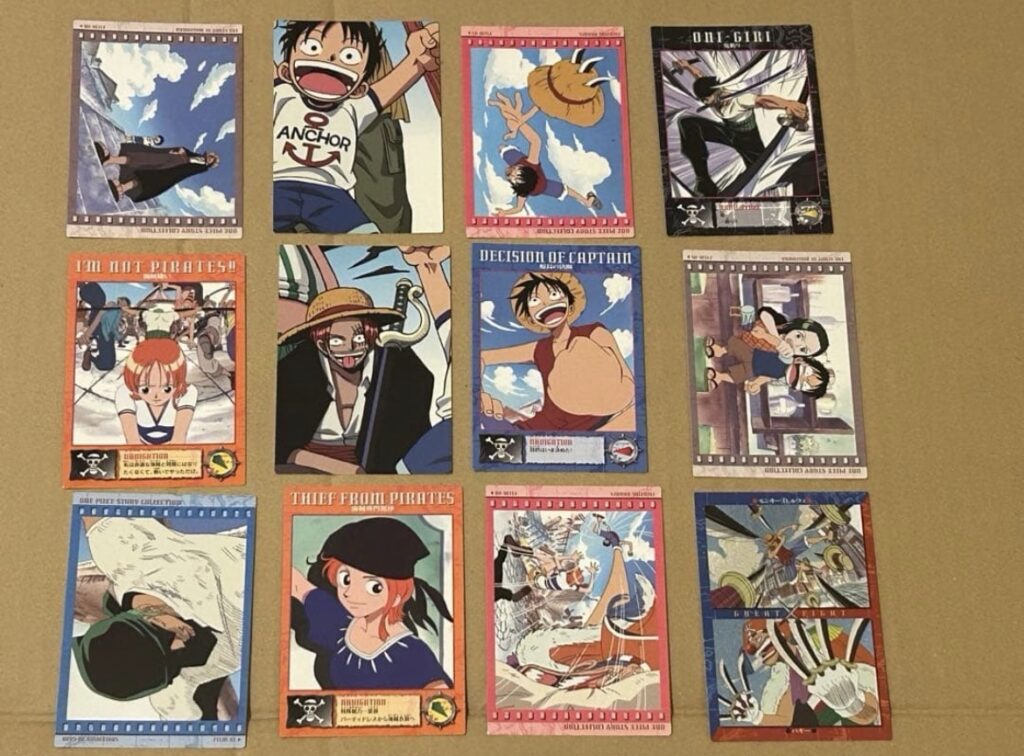
If a listing just says “vintage One Piece Carddass” without specifying which line, the artwork style and card back design are usually the fastest way to tell them apart.
What Makes These Cards Collectible Today
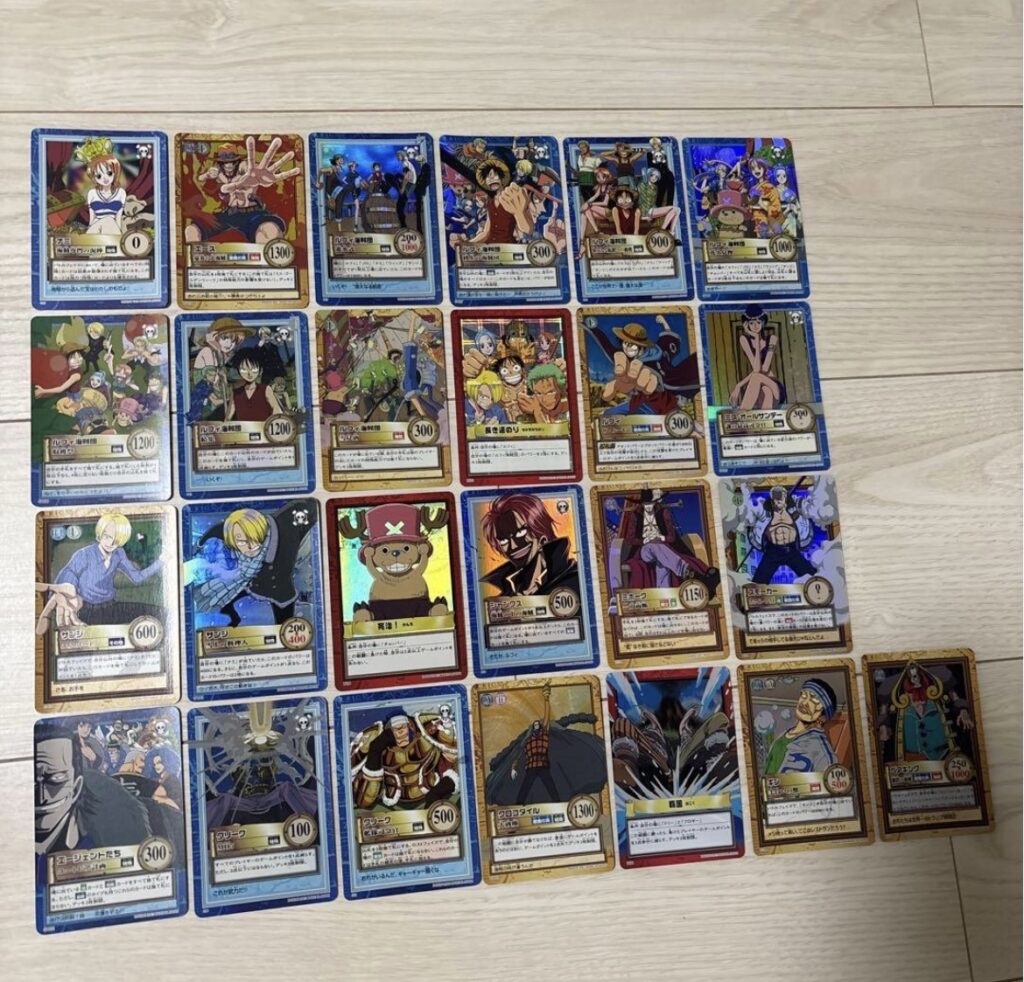
A few things drive demand for Hyper Battle cards among today’s collectors:
- Historical significance — these are literally the first One Piece cards ever made, predating the modern One Piece Card Game by over two decades
- Nostalgia — an entire generation of fans who grew up watching the early anime remembers pulling these from vending machines as kids
- Scarcity — production ended in 2002, cards were never reprinted, and a large share of the surviving supply is still in Japan
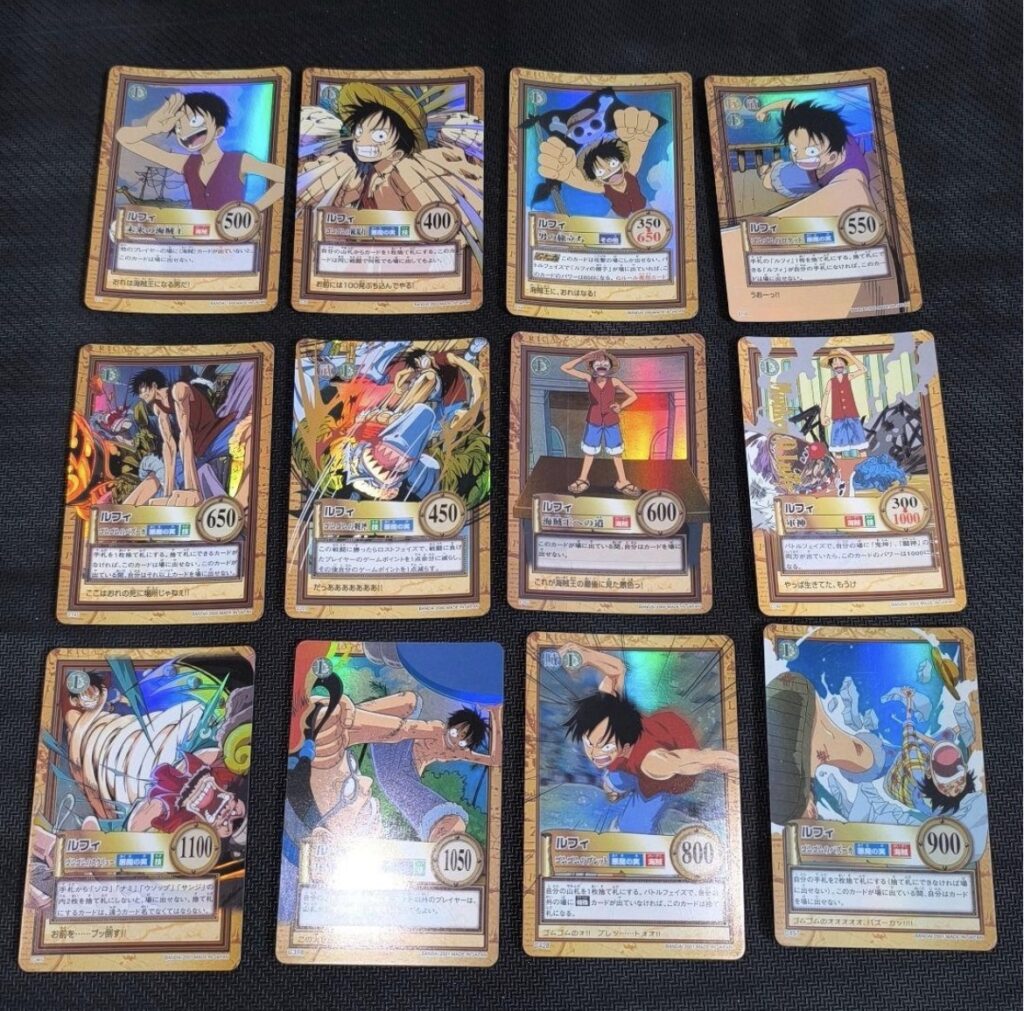
- Luffy-focused chase cards — as with most character card games, cards featuring Luffy in dynamic poses or rarer foil finishes tend to command the strongest collector interest
What to Check When Buying
If you’re shopping for Hyper Battle cards, especially from overseas, a few things are worth confirming with the seller:
- Which line it’s actually from (Hyper Battle vs. Visual Adventure vs. Carddass Masters) — the artwork and card stock differ
- Condition of the surface — many of these cards have a glossy or foil-prism finish that shows scratches easily, since they were often handled loose rather than sleeved when new
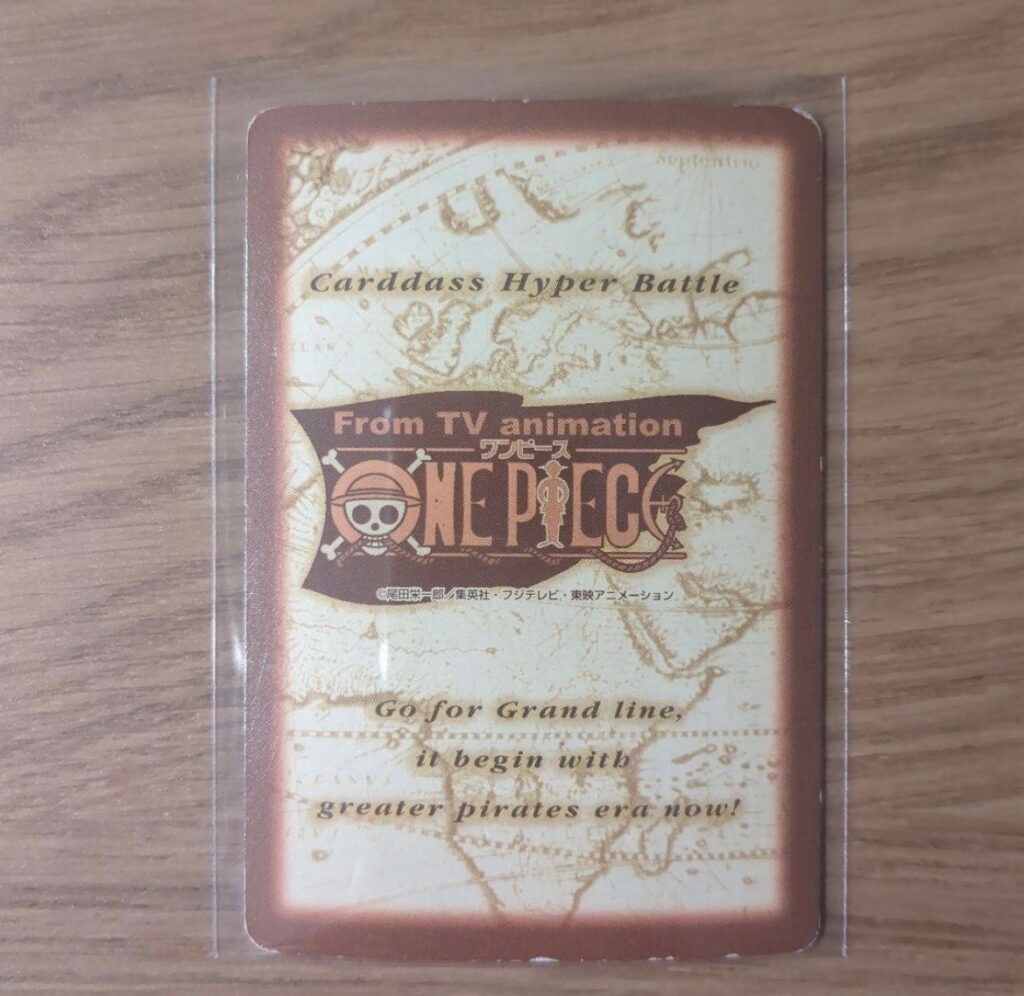
- Whether it’s a vending machine pull or a boxed-set card — this can affect scarcity and, in some cases, value
Where to Find Authentic Hyper Battle Cards
Because these cards are over two decades old and were never sold outside Japan, sourcing them from a Japan-based seller is by far the most reliable way to get authentic product. At Taka Nihon Shop, we specialize in early, Luffy-focused One Piece card lines — including Hyper Battle, From TV Animation, Miracle Battle, and One Piece Berry Match — sourced directly from Japan’s secondhand and collector market.
👉 Shop vintage One Piece cards at Taka Nihon Shop
This is Part 1 of our vintage One Piece card series. In upcoming posts, we’ll take a closer look at specific Hyper Battle sets and rarity tiers, along with the other classic lines — Miracle Battle, From TV Animation, and One Piece Berry Match.